Folk and Tumble album reviews of the latest studio and live record releases from folk, Americana, blues, and country artists across the world.
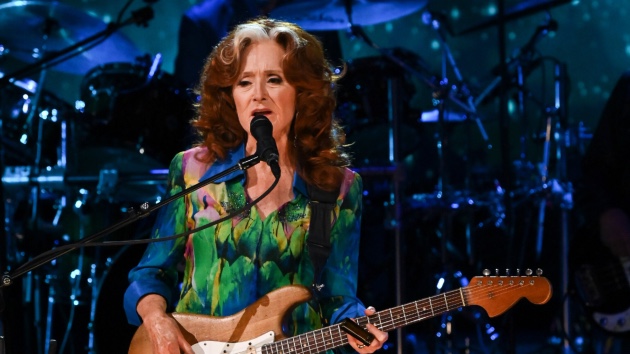
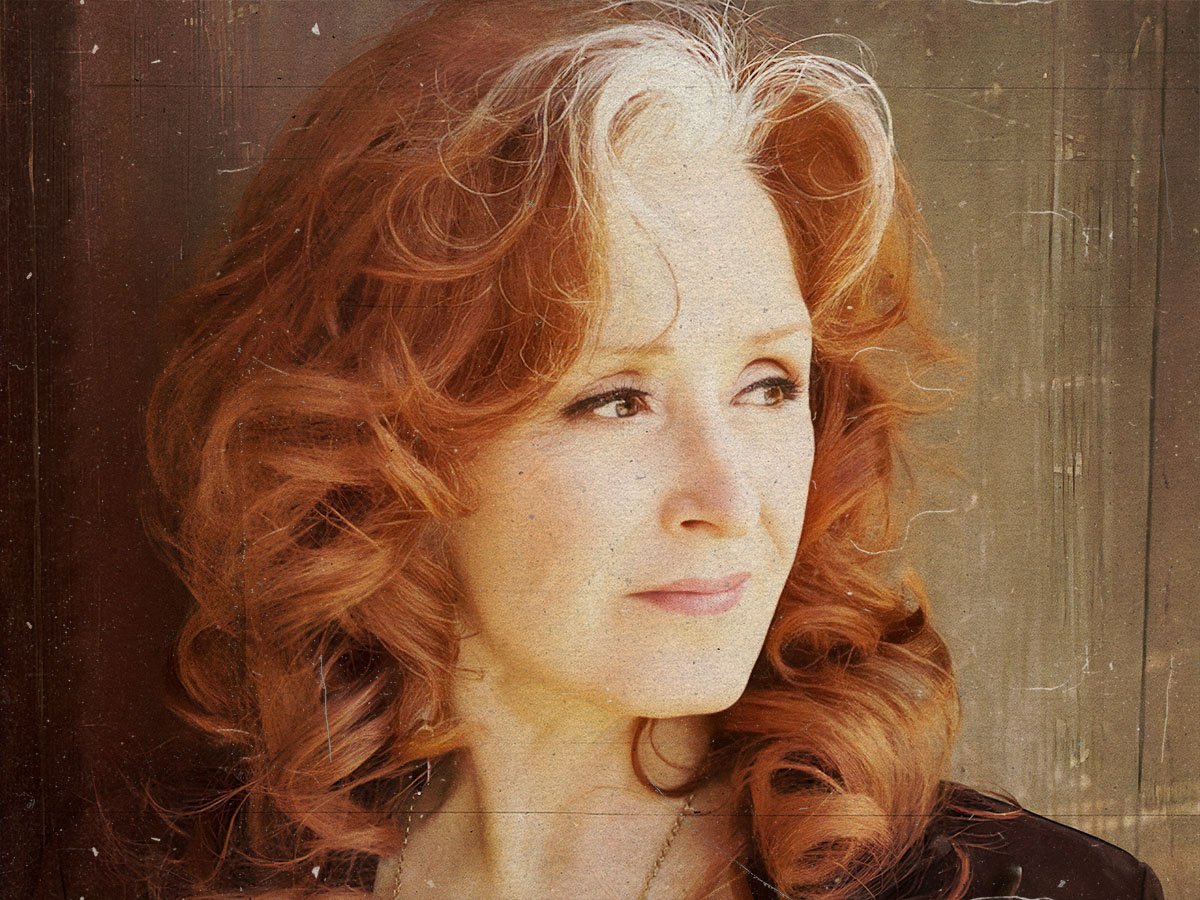
Ringing slide guitar and soulful vocals combine on ‘Just Like That’ to make Bonnie Raitt’s new release a memorable one.
Her trademark slide guitar, which has made her the envy of players everywhere, remains a thing of joy, effortlessly on display throughout. When Bonnie chooses to rock, everyone knows it. Bonnie has championed many writers in the past, whose work may have been passed by. The Brothers Landreth is a case in point on this offering. Bonnie stays close to the Canadian band’s original on the soul-infused ‘Made up Mind’, and yet she still stamps her own identity on it with a beautiful velvet delivery.
{{svg_quality_icon}}
{{quality-options}}
1
http://i3.ytimg.com/vi/MAiYZ6KAqyU/hqdefault.jpg
‘Love So Strong’ was intended as a duet with Toots Hibbert, but sadly following his death, it’s played here as a heartfelt tribute. ‘Something’s Got a Hold of My Heart’ by NRBQ’s Al Alderson is another ready-made standard for the seemingly ageless singer. This time around, Bonnie has written, or co-written 4 of the 10 tracks herself, more than on any other album.
‘Livin’ For the Ones’ is co-written with her long-time guitarist George Marinelli, for the friends and family she has lost. This is a song that will connect, and resonate with so many people. Both an upbeat celebration of life, and a love song to those lost to Covid, and beyond. A song that is universal in its scope, but so personal in its interpretation for each listener. And it rocks! ‘Down the Hall’ is a true story set in the hospice of a prison, with a prisoner caring for his dying fellow inmates with compassion and truth, a task that ultimately frees the narrator from his own bars.
{{svg_quality_icon}}
{{quality-options}}
1
http://i3.ytimg.com/vi/Skd0XR3twCA/hqdefault.jpg
The title track concerns the impact of a heart transplant on two families, one the donor’s mother, and one the recipient. It’s a heart-wrenching story of loss and sacrifice, acceptance, and common humanity:
Just like that, your life can change…
No knife can carve away the stain, no drink can drown regret
They say Jesus brings you peace and grace, but he ain’t found me yet
One can almost hear Bonnie’s great friend, John Prine singing that last line. But there’s resolution and closure too
While I spent so long in darkness, I never thought the night would end
But somehow grace has found me, and I had to let him in.
Bonnie has spoken of the style of narrative in these songs:
“I’ve always loved the early guitar songs of Dylan, Jackson Browne, Paul Brady, and especially John Prine” she says. “With songs like ‘Angel from Montgomery’ and ‘Donald and Lydia’John was able to just climb inside and sing these people’s deepest lives. With his passing last year, finishing these songs has meant even more.”
Bonnie hasn’t written that much over her career, which is a shame, because it is such a gift to be able to write such succinct and eloquent distillations of the human experience.
Following two years of isolation and loss of loved ones from the pandemic, and mired as the world is, at the minute in conflict and hate, Bonnie’s songs speak to the grace and humanity that the heart can aspire to. ‘Just Like That’ is an album for these times, and all time.
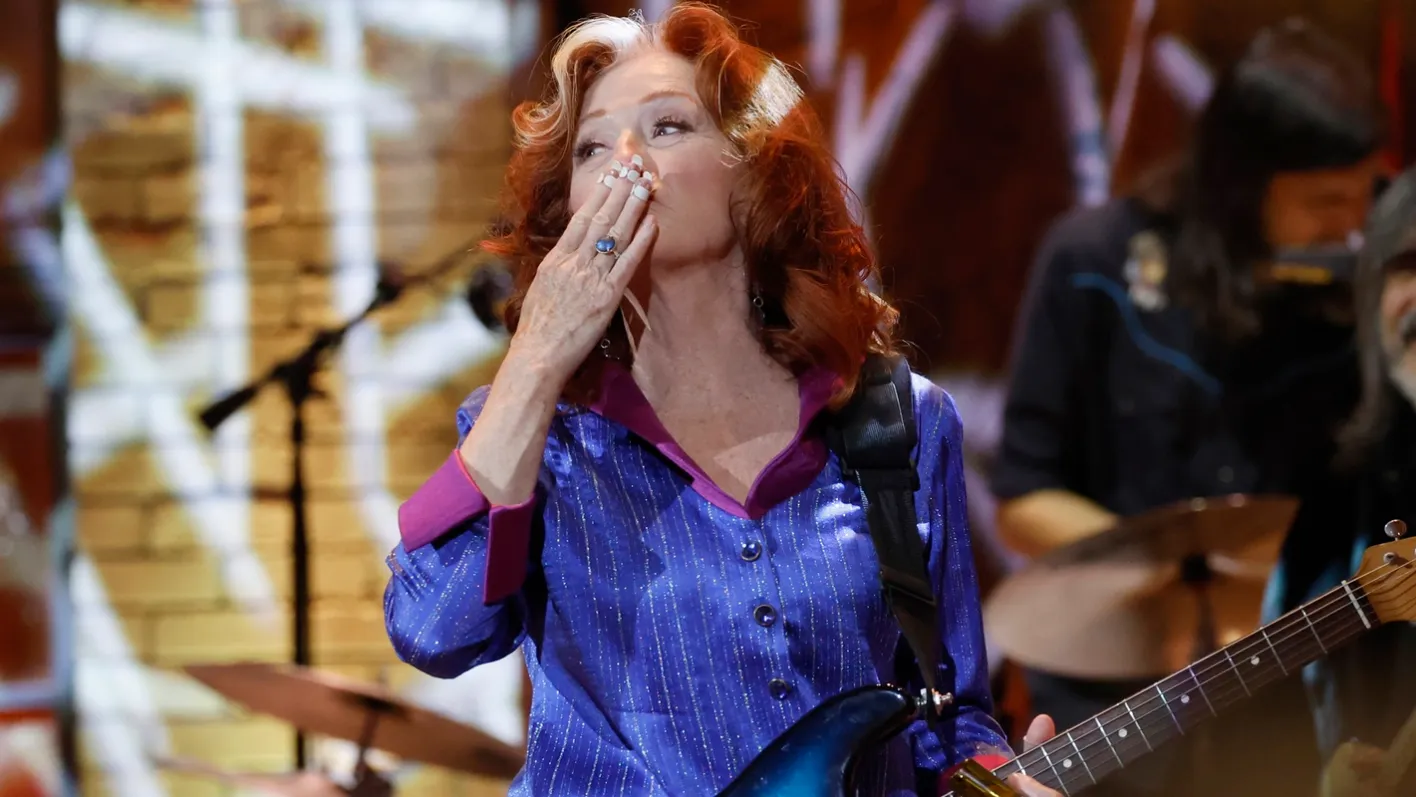
Six years since her last studio album, the veteran singer-songwriter and slide guitarist returnswith a collection of robust professional rock that may inspire deep dives into her back catalog.
If the young feel hard and forget fast, adults feel hard and remember long. To her credit, Bonnie Raitt has never courted the youth market. Avoiding disco strings and guest raps, the slide-guitar legend has amassed a body of work immersed in the blues and fully committed to the Well-Written Song; both her chosen repertoire and the material she’s penned herself adduce a belief in adulthood as a well-earned grace. Her sunny, wide-open voice and the sparkling correctness of her playing have kept bathos at bay ever since she invested Eric Kaz’s “Love Has No Pride,” one of her chestnuts, with an aw-shucks sensual abandonment: She’s in love, yet damn straight she keeps her pride.
Thirty-three years after Nick of Time, which yielded perhaps the most career-changing Grammy coronation in history, and six years since her last studio album, Dig in Deep, Raitt returns with Just Like That…, a self-produced effort boasting most of her strengths: a fidelity to the material that borders on the idolatrous, a penchant for leading mostly male pros through unfamiliar paces, and the exquisite precision of her guitar. As for weaknesses—well, she could have ventured further afield with the covers, as she did with Dig in Deep’s sly take on INXS’ “Need You Tonight.” Still, she sounds good, she plays better, and her band, co-led by longtime foil George Marinelli, simmers. A fine career summation should she choose to stop, Just Like That… is robust professional rock, a demonstration of Raitt’s vitality, like, say, Catherine Deneuve’s recent film work.
Her 18th album cedes a few of the solos she and Marinelli might have played to Glenn Patscha, a first-rate organist whose fills have the lightness of Charles Hodges. On her own “Waitin’ for You to Blow,” she lays down the guitar so Kenny Greenberg and Patscha can exchange solos over Ricky Fataar’s hi-hats. “Something’s Got a Hold of My Heart” gets a lift from Patscha’s Fender Rhodes colors, given a mixing boost by Raitt and Ryan Freeland (the funereal “Blame It on Me” is the only lapse into heavy-handedness). A chugging little thing familiar to fans of her 1973 cover of Martha and the Vandellas’ “You’ve Been in Love Too Long,” her band’s take on the Bros. Landreth’s “Made Up Mind” greases up a melody “like a rainstorm tin-roof symphony.” But they falter with a static reggae-lite version of Toots and the Maytals’ “Love So Strong”; it has a skank but not much else.
When Raitt keeps things fresh with narrative writing, the cleanness of her melodies and lyrics deepens her empathy. With the help of an acoustic lick that’s the stepchild of the Beatles’ “Blackbird ” and Patscha’s shimmering organ, “Down the Hall” examines a man’s stint in a prison infirmary; he observes Tyrone, “cancer eatin’ him inside out,” takes time to shave Julio’s head and, “crackin’ him up,” wash his feet. The Springsteen of Nebraska might have smiled with recognition, but Raitt’s contralto repels attempts to imbue “Down the Hall” with existential portent. Its just-the-facts approach is closer to Springsteen influences like Bobbie Ann Mason than Nebraska.
Just Like That… may inspire catalog deep dives. Many fans’ relationship with Raitt began with 1991’s Luck of the Draw, the septuple-platinum follow-up to Nick of Time that remains a landmark of boomer pop outreach—as much a generational touchstone as Paul Simon’s Graceland, the sort of album Mom and Dad played on vacation road trips because here was a woman Mom’s age having fun making her most powerful music at middle age. In a summer when Bryan Adams strangled the top 40 with a mousy ballad sprung from Kevin Costner’s Robin Hood: Prince of Thieves, “Something to Talk About” was a well-deserved hit, sexy in a mature, fully cognizant way; you’d have to go back to Fleetwood Mac’s “Little Lies” to find as worldly a Top Five hit sung by a fortysomething white woman. And her take on Mike Reid and Allen Shamblin’s “I Can’t Make You Love Me” is the kind of recording that comes along just once in an artist’s career, though it’s echoed in the pungent aphorisms of Just Like That…’s “Down the Hall”: “I don’t know about religion/I only know what I see.”
It’s okay if few performances on Just Like That… match that highlight. Most of her albums contain time bombs; even records like 1986’s Nine Lives, regarded as misbegotten, have miracles of grace like “Crime of Passion” that reward the digging. But Just Like That… will do—ostensible hand-me-downs like the Stones-y “Livin’ for the Ones” shame that band’s recent output, for example. The album title is the giveaway. Pros know their shit.
About The Author
Alfred Soto
Contributor
Alfred Soto is an assistant professor of communication at Florida International University. His work has appeared in Billboard, Spin, The Village Voice, the Miami Herald, and others. He was an associate editor of The Singles Jukebox. He lives in Miami.
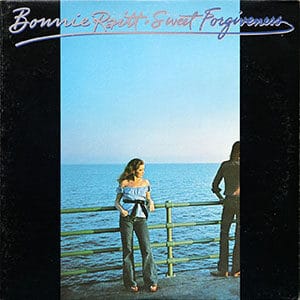
Sweet Forgiveness (1977) was Bonnie Raitt’s first breakthrough album, laying the groundwork for ‘Nick of Time’ and beyond. There can be no second act without a great first one.
Everybody loves a redemption story. The short version of Bonnie Raitt’s goes something like this: critically-acclaimed musician falls prey to the fast-living, hard-drinking rock ’n’ roll cliché. After nearly washing up, she dries out. Then, deus ex machina makes a blockbuster “comeback” album and walks away with a truckload of Grammy Awards.
The problem with these kinds of narratives is twofold. First, they’re not that simple or correct; they fail to reveal the whole picture in its messy, complicated humanity. Secondly, they discount everything that came before. It’s as though the artist had to renounce anything associated with their dark night of the soul to be rewarded with a lucrative career revival.
Sweet Forgiveness
Bonnie Raitt Warner Bros. April 1977
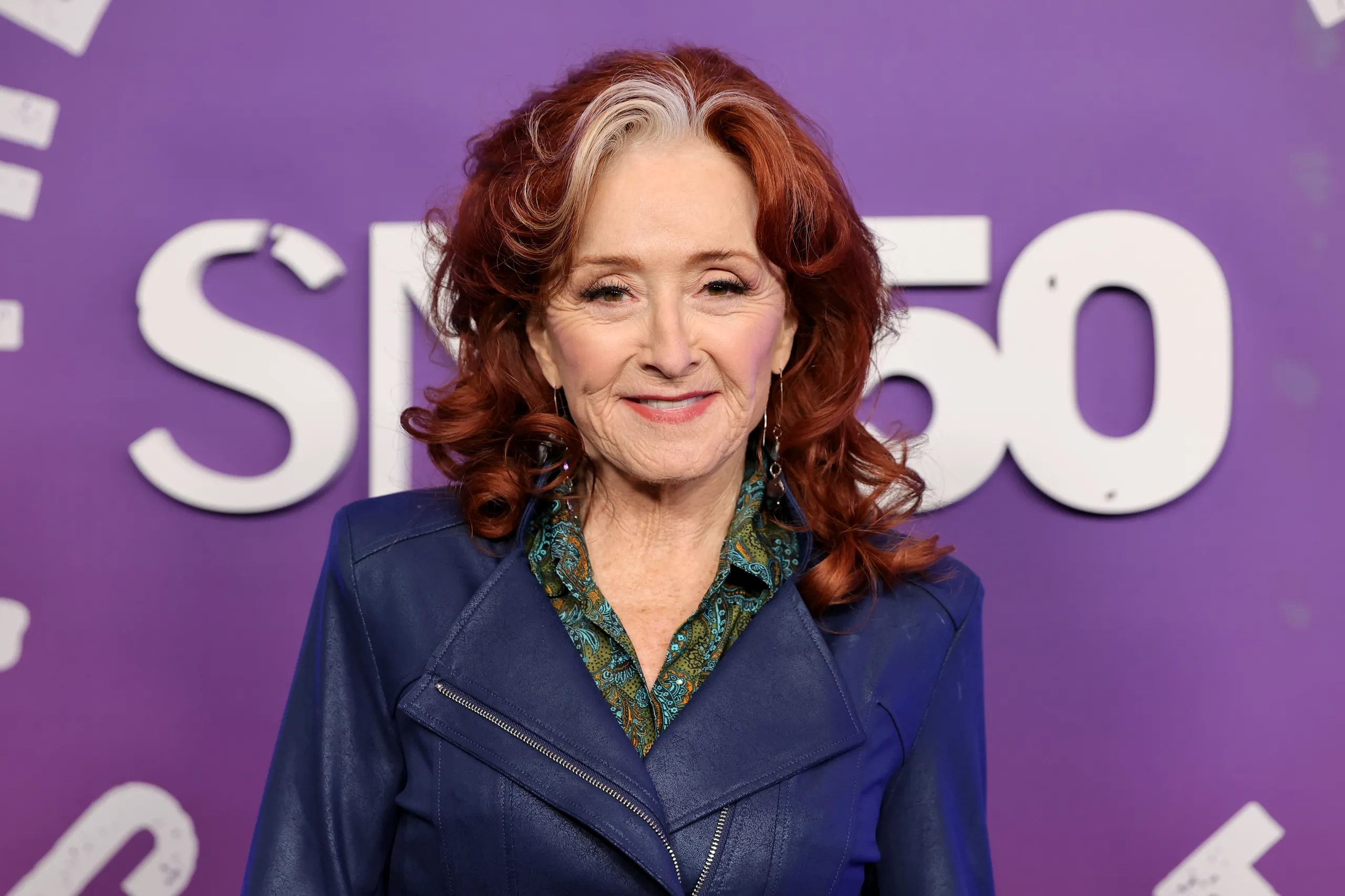
Raitt’s salvation came with 1989’s Nick of Time, which would produce three hit singles, win three Grammy awards, and go platinum five times over. This year Raitt was honored with a Grammy Lifetime Achievement Award as well as the Icon Award from Billboard’s Women in Music. She was inducted into the Rock and Roll Hall of Fame in 2000. Nick of Time may have been the start of a brilliant second act, but it would not have been possible without the groundwork laid by Raitt’s early records. Among them is Sweet Forgiveness, released 45 years ago this month.
By 1976, Raitt had made five albums in as many years with Warner Bros., who offered her a record deal at age 21. Before signing with Warner Bros., she apprenticed herself to surviving blues greats like Mississippi Fred McDowell and Sippie Wallace while still enrolled at Radcliffe in the late 1960s. The albums established her as a devotee of traditional blues, folk, R&B, and rock and an inventive interpreter of other people’s songs. Her distinctive slide playing made Raitt a guitar slinger to be reckoned with, one who was competent and comfortable in any genre. Over the course of these early albums, Raitt’s esoteric tastes amalgamated into a style wholly her own.
On 1974’s Streetlights, producer and Hit Factory founder Jerry Ragovoy favored a sound that was less back-porch blues and more uptown R&B. It was the first album not to feature Raitt on slide guitar, a hallmark of her sound from the beginning. Even though Streetlights yielded what would become one of Raitt’s signature songs (the John Prine-penned “Angel from Montgomery”), widespread radio success eluded her. Pre Internet, a hit single was a prerequisite to mainstream recognition.
{{svg_quality_icon}}
{{quality-options}}
1
http://i3.ytimg.com/vi/HPzcZNgVfpA/hqdefault.jpg
Nevertheless, Raitt persisted, building a fanbase through steady touring and regular play on progressive FM stations. She recruited Paul Rothchild (Janis Joplin, Paul Butterfield Blues Band, the Doors) to produce her fifth LP, 1975’s Home Plate. The album mixesgrittier blues numbers with heartrending ballads by the likes of J.D. Souther and Eric Kaz, two songwriters Raitt would return to on subsequent releases. Recorded with the first full band she assembled, Home Plate slid into number 43 on the Billboard Pop Albums chart. However, a hit single remained out of reach.
After Home Plate, the stage was set for a breakthrough at last. When it came time to record Sweet Forgiveness, Raitt again tapped Rothchild to produce and entered the studio with the same players. Song selections included tracks from favorite writers Kaz, Jackson Browne, and Karla Bonoff.
Sweet Forgiveness’ lead-off track, the gnarly, bluesy “About to Make Me Leave Home” (Earl Randall), sets the tone for the album. Its opening slide guitar riff, full of slink and swagger, indicates that the LP is going to go hard. Raitt’s voice is throatier here, and she sings in a lower register on several songs. That was by design. She told Marc Maron on his WTF podcast, “I was a little shrimp. I couldn’t stand the way I sounded. I was smoking and drinking, trying to get my voice older … because I had this little soprano voice.”
After the steamy opener, the album does not let up, going straight into “Runaway”, a cover of the 1961 Del Shannon hit. Raitt’s driving, sludgy version makes the original sound more like a throwaway than a runaway. Norton Buffalo—inexplicably uncredited on the album cover—contributes a harmonica solo for the record books that is at once ecstatic and profane. Seeing the solo performed live, with Buffalo deftly swapping different harps throughout, is wondrous. A live performance from the band’s 1997 Midnight Special appearance is preserved on YouTube.
{{svg_quality_icon}}
{{quality-options}}
1
http://i3.ytimg.com/vi/sX-J4LH0V-E/hqdefault.jpg
As on Raitt’s previous albums, Sweet Forgiveness’s hard-driving blues tracks are rounded out by a selection of ballads equally powerful in their quiet intensity. Among them is “My Opening Farewell”, a deep cut from Jackson Browne’s debut LP. Raitt transforms its mournful chorus into something that manages to be both poignant and defiant. “Two Lives” transcends its soft-rock inclinations with Raitt’s soulful singing, a restrained backing arrangement, and Michael McDonald’s distinctive harmony on the chorus. The title track, written by Daniel Moore, fuses funk and gospel into a song that is greater than the sum of its parts.
On the rousing “Three Time Loser”, Raitt’s playing is the epitome of what the New Yorker calls the “fugitive emotions” of the slide guitar. Vying with “Runaway” for the album’s hardest rocker is “Gamblin’ Man”, written by Kaz. First recorded by the band American Flyer, Raitt turns its SoCal country-rock up to 11.
“Runaway” came within spitting distance of the top 40 but failed to crack it, peaking at 57. Still, it was Raitt’s first bonafide hit single, and the radio play brought more fans to the fold. As she told Classic Rock in 2004, “It was certainly the closest I’d got to a hit record. But it was the first time the national press put me on the map, and I got on the cover of Rolling Stone. That was a big deal to me at age 27. It was great to get some radio play.”
A follow-up hit didn’t materialize, but Raitt was always more of an album-oriented artist anyway, preferring the long haul over transitory fame. Her subsequent two albums, 1979’s The Glow and Green Light from 1982, garnered Raitt her first Grammy nominations. The Academy’s endorsement didn’t seem to be enough for Warner Bros., though, who dropped her from the label in 1983.
Those looking for a timeworn story of debauchery and hitting rock bottom will be disappointed. There was no “come to Jesus” moment that prompted Raitt to give up drinking. Raitt’s move to sobriety came in the form of another divine intervention: Prince. After Warner Bros. showed her the door, Prince got in touch in 1986. He floated the idea of working together and Raitt signing to his label, Paisley Park. As she tells Maron, “I just got heavy and wanted to lose some weight ‘cause I was going to work with Prince in the mid-’80s. I said, ‘you know, if we make a video together, I’d better drop some weight.’ So that’s when I quit drinking.”
{{svg_quality_icon}}
{{quality-options}}
1
http://i3.ytimg.com/vi/RneM6j5Sq0c/hqdefault.jpg
Nothing came of the Prince collaboration. “By the time we got our schedules lined up,” she tells Maron, “He had already recorded some songs in the wrong key, with lyrics that didn’t really fit me.” Raitt canceled her summer tour that year to work with him, but he forgot to let her know he’d extended his own tour and couldn’t make it.
Everything worked out in the end, which is an oversimplification, just like the rest of the story. Nick of Time may have been a new beginning, but so was Sweet Forgiveness in many ways. Its legacy lives on in Raitt’s affinity for blending muscular blues-rock and potent ballads into a coherent—and yes, commercially successful—whole. Its presence was also felt in Raitt’s live shows, with “About to Make Me Leave Home”, “Three Time Loser”, and “Louise”, all staples in her sets well into the 1990s.
Listeners who only know Raitt from Nick of Time and beyond would do well to give Sweet Forgiveness a spin. The album has more in common with Raitt’s 1989 breakthrough than any hackneyed narrative would suggest. Serving as a blueprint for her later success, Sweet Forgiveness proves there can be no second act without a hell of a first one.
Cheryl Graham is a writer based in Iowa City. A classically trained percussionist, she took up the drum kit when punk broke and never looked back. She played in various bands in her hometown of Tucson, Arizona, then went on to earn a Master’s degree in Fine Art from the University of Cincinnati. She worked as a newspaper designer, a technical writer, and a freelance illustrator, finally landing in Iowa and beginning a writing career. Her essays have appeared in several literary journals and print publications, and she writes about music for PopMatters. She still has a drum set in her spare room.
Bandana Blues is and will always be a labor of love. Please help Spinner deal with the costs of hosting & bandwidth. Visit www.bandanablues.com and hit the tipjar. Any amount is much appreciated, no matter how small. Thank you.
Bonnie Raitt is nothing if not loyal. And when she caught wind of the fact that Mike Reid and I were writing and recording together, she was quick to volunteer to sing on our song “The Bridge.” It’s one of my favorite songs Mike and I have written. And I can no longer imagine it without her heroic spirit present. ~ Joe Henry
Released on: 2025-09-05 Producer: Joe Henry Music Publisher: Rivers and Roads Music (ASCAP - admin by Endurance Music Group) Music Publisher: Mule Rider (ASCAP) Music Publisher: Blue Raincoat Music (ASCAP) ℗ 2025 Work Song Inc. marketed and distributed by Thirty Tigers
{{svg_quality_icon}}
{{quality-options}}
1
http://i3.ytimg.com/vi/VWNoTHkp6_k/hqdefault.jpg
Prison Bound Blues · Bonnie Raitt
Bonnie has contributed a new recording of "Prison Bound Blues" written by Leroy Carr to a project called Better Than Jail, an extraordinary new album benefiting Free Hearts and Equal Justice USA. Better Than Jail is available everywhere today and features covers of iconic prison songs from Steve Earle, Taj Mahal,Margo Price, The War and Treaty and many more. The album seeks to raise awareness and support for the urgent need to reduce the harm of the criminal justice system. https://found.ee/BetterThanJail.
I'm so proud to have joined in with so many illustrious artists in creating this very special album in support of rural prison reform. Overlooked for far too long, this issue cuts across all cultural and political divides and deserves all our focused attention to finally bring about some swift and meaningful action. Better Than Jail is one of the most inspired and heartfelt albums I've been blessed to be a part of and I hope it sets a fire in hearts far and wide to join in our efforts." ~ Bonnie Raitt
Released on: 2024-10-04 Executive Producer: Brian Hunt Producer: Kenny Greenberg Producer: Wally Wilson Producer: Bonnie Raitt Recording Engineer: Jason Lehning at Sound Emporium Mastering Engineer: Alex McCollough at True East Mastering Production Assistant: Shannon Finnegan Mixer: Justin Niebank at Hounds Ear Music Publisher: Universal Music Corp. Composer, Lyricist: Leroy Carr ℗ Believe Entertainment Group and Wyatt Road Records
{{svg_quality_icon}}
{{quality-options}}
1
http://i3.ytimg.com/vi/xC2BJuQbO8w/hqdefault.jpg
The Fabulous Thunderbirds - Nothing in Rambling Ft. Bonnie Raitt, Taj Mahal, Keb' Mo' & Mick Fleetwood
In celebration of the band’s 50th Anniversary, The Fabulous Thunderbirds have just released Struck Down, their first studio album in eight years on Stony Plain Records. The ten-track album includes a wonderful cover of Memphis Minnie’s “Nothing in Rambling,” featuring longtime friends, T-Birds founding member Kim Wilson, along with Bonnie, Keb’ Mo’, Taj Mahal and Mick Fleetwood. — BRHQ
{{svg_quality_icon}}
{{quality-options}}
1
http://i3.ytimg.com/vi/YmW-bgcbvQI/hqdefault.jpg
Little Feat - Long Distance Call
“I’ve always loved Little Feat and this new incarnation of the band is bringing some serious heat, cred and new blood to their enduring legacy. Every Feat fan loves us some Sam. I’m so glad he’s now gotten a chance to step out front and center and put his spin on these wonderful blues songs. I loved singing "Long Distance Call" with him, always one of my favorites, and Scott slayed on slide. Know you’ll enjoy hanging out with us at Sam’s Place!" -- Bonnie Raitt
“Long Distance Call” was written by blues legend, Muddy Waters. It has Sam Clayton and Bonnie Raitt on vocals, Scott Sharrard on Dobro, Fred Tackett on acoustic guitar, Tony Leone on drums, and Michael “The Bull” LoBue on harmonica. The album also features Bill Payne on piano and Kenny Gradney on bass.
Little Feat have composed an album that’s their love letter to the blues entitled, ‘Sam’s Place.’ “Long Distance Call” plus many other blues classics are on this album. You can stream and order ‘Sam’s Place’ here: https://orcd.co/samsplace
Broken Hearts & Dirty Windows: Songs of John Prine, Vol. 2, the anticipated new John Prine tribute record from Oh Boy Records, is out today. Stream/purchase HERE.
Created as a celebration of Prine’s life and career, the album features new renditions of some of Prine’s most beloved songs performed by Brandi Carlile (“I Remember Everything”), Tyler Childers (“Yes I Guess They Oughta Name A Drink After You”), Iris DeMent (“One Red Rose”), Emmylou Harris (“Hello In There”), Jason Isbell (“Souvenirs”), Valerie June (“Summer’s End”), Margo Price (“Sweet Revenge”), Bonnie Raitt (“Angel From Montgomery”), Nathaniel Rateliff & The Night Sweats (“Pretty Good”), Amanda Shires (“Saddle in the Rain”), Sturgill Simpson(“Paradise”) and John Paul White (“Sam Stone”). Proceeds from the album will benefit twelve different non-profit organizations, one selected by each of the featured artists.
{{svg_quality_icon}}
{{quality-options}}
1
http://i3.ytimg.com/vi/Z71L4JdrVBY/hqdefault.jpg
Bonnie Raitt - Write Me a Few of Your Lines/Kokomo Blues
60 years anniversary celebration of Arhoolie
December 10, 2020
{{svg_quality_icon}}
{{quality-options}}
1
Arhoolie Foundation celebrates it's 60th anniversary (1960-2020) with an online broadcast.
Bonnie Raitt - Shadow of Doubt
Hardly Strictly Bluegrass Festival
October 3, 2020
Hardly Strictly Bluegrass celebrates it's 20th anniversary with an online broadcast titled “Let The Music Play On”.
{{svg_quality_icon}}
{{quality-options}}
1
http://i3.ytimg.com/vi/hCJa0505jZk/hqdefault.jpg
Bonnie Raitt & Boz Scaggs - You Don't Know Like I Know
Farm Aid 2020 On the Road
Sam & Dave classic written by Isaac Hayes and David Porter.
{{svg_quality_icon}}
{{quality-options}}
1
http://i3.ytimg.com/vi/jXG6ULcK-qs/hqdefault.jpg
Sheryl Crow & Bonnie Raitt - Everything Is Broken
[Eric Clapton’s Crossroads 2019]
Eric Clapton, one of the world’s pre-eminent blues/rock guitarists, once again summoned an all-star team of six-string heroes for his fifth Crossroads Guitar Festival in 2019. Held at the American Airlines Center in Dallas, Texas, the two-day concert event raised funds for the Crossroads Centre in Antigua, the chemical dependency treatment and education facility that Clapton founded in 1998.
{{svg_quality_icon}}
{{quality-options}}
1
http://i3.ytimg.com/vi/yHeBLEo4TOM/hqdefault.jpg
'A Tribute To Mose Allison'
Celebrates The Music Of An Exciting Jazz Master
Raitt contributed to a new album, If You're Going To The City: A Tribute To Mose Allison, which celebrates the late singer and pianist, who famously blended the rough-edged blues of the Mississippi Delta with the 1950s jazz of New York City.
NPR's Lulu Garcia-Navarro talks to Bonnie Raitt about her friendship with the Mose Allison. They're also joined by Amy Allison — his daughter, who executive produced the album — about selecting an unexpected list of artists to contribute songs to the album.
Recorded on tour June 3, 2017 - Centennial Hall, London - Ontario Canada




 Users Today : 61