Bonnie's Pride and Joy

Fansite with ALL the news about Bonnie !

Joni’s jazz and Bonnie’s blues: ‘All this time later, I still find it thrilling’

on July 22, 2025 No comments
by Mark Schlack

Two of my favorite musicians, Joni Mitchell and Bonnie Raitt, are being feted in this twilight of their careers. Be it the Grammys or social media, I’m thrilled to see them get their due and for more people to be exposed to their brilliance. But as Joni famously sings, “something’s lost and something’s gained, in living every day.” And what’s missing for me is an acknowledgement of the daring brilliance of their lesser known, or at least less celebrated, work: Raitt’s bluesy first six albums and Mitchell’s jazzy 10 album stretch, from 1975’s “Hissing of Summer Lawns” to 1998’s “Taming of the Tiger.” I’ve been returning to them myself recently, and reflecting on what it meant for me to hear them the first time around.

I remember hearing Mitchell in her very early days, her guitar and dulcimer reminiscent of Appalachia, but her lyrics going somewhere newer and more modern. By the time she came out with Blue in 1971, a song like “The Last Time I Saw Richard” spoke deeply to me, not of lost love, but of lost hope. Only two years before, her song “Woodstock” had captured a certain spirit of change, but now she gave voice to my own growing sense of futility. Other than Laura Nyro (who inspired Mitchell to play piano), I had never heard a woman sing songs like that, songs she wrote and played herself, songs that were deep and filled with adult emotions. Her poetry was not Dylanesque imagery but frank, personal and revealing stories. These are still the songs, and this is still the album, she’s most known for, and for good reason.

But by 1974’s “Court and Spark,” she could feel the constraints of her confessional folk rock. Starting with “Hissing of Summer Lawns,” Joni created a new popular genre that melded folk, rock, blues and modern jazz. At the time, I didn’t always appreciate her efforts, and I really didn’t recognize that the people now playing on her albums — Charles Mingus, Wayne Shorter, Pat Metheny, John McLauglin, Herbie Hancock, Jaco Pastorius — were jazz royalty, creating new styles all their own.

But over the years I caught up with her. Now, when I listen to listen to a cut like “The Dry Cleaner from Des Moines,” from her 1979 “Mingus” album,  I’m transported by her interplay with Jaco’s thundering bass, her nimble scatting and just the whole vibe of the song. When I hear an album like “Don Juan’s Reckless Daughter,” where she is joined by most of Weather Report (one of the era’s top fusion bands), I feel like I’m listening to one of those lost albums that’s suddenly cool again. The music constantly surprises, even if it’s not super hummable.

When I was coming of musical age myself, the polarities of disco and heavy metal ruled the radio, but I wanted the spicy, tasty complex musical stew that groups like Traffic, Steely Dan, late Doobie Brothers, early Springsteen were cooking up. What I didn’t realize at the time was how Mitchell was out front of all of them in showing us a way that the threads of commercial pop could evolve and join with jazz. It’s still not everyone’s cup of tea, but I wish more people could taste it or at least get a sniff.

While it’s not what she’s best known for these days, Bonnie Raitt also bucked trends in the 1970s. She interpreted top-notch singer/songwriter types like Jackson Browne, John Prine and Steve Goodman to great effect, but she was first and foremost a blues musician. And Raitt was not only a singer, but a badass slide guitar player. I was deep into blues slide at the time, and she was the only woman I had heard take that on.


It’s still not everyone’s cup of tea, but I wish more people could taste it or at least get a sniff.

We very recently got a taste of Bonnie’s versatility at the Kennedy Center, in the festivities honoring her musical legacy. I was delighted to hear the Keb Mo and Susan Tedeschi version of her take on Robert Johnson’s “Walkin Blues,” but there’s so much more where that came from. Bonnie brought blue fire into her rock. I remember seeing her play “About to make me leave home” in the late ‘70s, at a concert at Muhlenberg College, and just being giddy at how her guitar crackled with energy. In her 1989 comeback album “Nick of Time,” Bonnie seemed different, more focused on healing than howling. That’s the album that seems to have endured, at least if the ubiquitous declaration of “I Can’t Make You Love Me” being one of the the saddest songs ever written is any indication. But sometimes, I miss those howls!

So why don’t we celebrate Raitt’s blues and Mitchell’s jazz when we pay tribute on stage, or just on our Spotify streaming? I think it’s because Raitt’s adult-themed pop rock and Mitchell’s early folk rock feel more comfortable to fans. Raitt’s blues recall her personal struggles. Mitchell’s jazz highlights her unrepentant iconoclasm, her unwillingness to make endless copies of her masterpiece.

Joni Mitchell, The Last Waltz – Winterland San Francisco – Nov 1976 Photo by Michael Ochs Archives /Getty Images

Watching Raitt in her mid-1970s blues heyday, we were watching a train wreck in progress — rarely sober, tumultuous relationships, bad karma from the record company. I hear the anger, hurt, sadness and defeat that her slide sang of, but I also feel the defiance and resilience. Isn’t that the benefit of listening to a woman who’s led a long and full life, with all its ups and downs?

Mitchell refuses to disown her jazz, but the Brandi Carlile-led troupe of young musician supporting her seem much more suited to albums like “Ladies of the Canyon” than Joni’s folk jazz. I want to hear Joni with current jazz greats like Charles Lloyd or Bill Frisell, Brad Mehldau or Terence Blanchard, the way Herbie Hancock and Wayne Shorter took her on with their 2007 “River: The Joni Letters.”

I grew up on popular music of the ‘60s, from doo-wop in the early years to psychedelia by the late ‘60s. The borders and barriers between Black and white music, and between the many sub-genres of popular music, were constantly shifting. Simon and Garfunkel were experimenting with reggae and the Beatles with Indian music; Hendrix was all experiment. I remember hearing Santana on their first trip to New York, lighting up Central Park with their never-heard-before Latin rock.

These two women were a key part of that experimentation, but somehow got dinged for it in the public eye. They took many risks to make room for their distinctive voices. They battled the usual prejudices against women in rock and roll. And they carved out musical niches that were new and important, if not always emulated.

All this time later, I still find it thrilling.

Follow Cognoscenti on Facebook and Instagram. And sign up for our weekly newsletter.

About The Author


Source: © Copyright Cognoscenti WBUR

But wait, there's more!

Bonnie Raitt Siblings: All About Steven Raitt and David Raitt

on July 4, 2025 No comments
By Kevin Koech

Bonnie Lynn Raitt, born on November 8, 1949, in Burbank, California, is an American blues singer, songwriter, guitarist, and activist.

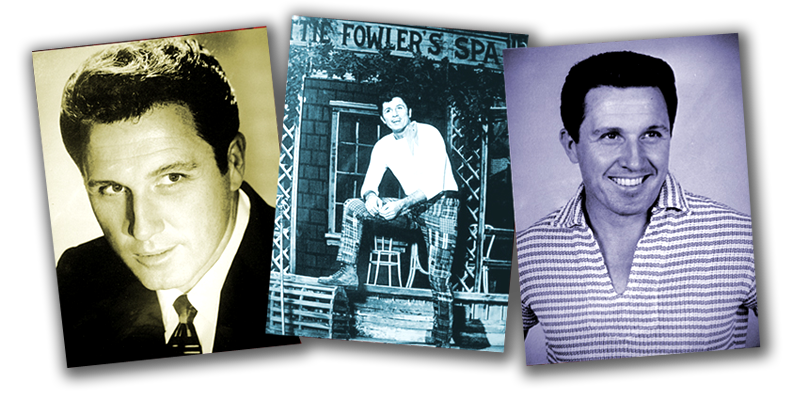
Raised in a musical family, with her father, John Raitt, a celebrated Broadway star known for roles in Oklahoma! and The Pajama Game, and her mother, Marge Goddard, a skilled pianist, Bonnie was immersed in music from an early age.

She began playing guitar at eight, developing a passion for the blues, particularly inspired by artists like Mississippi Fred McDowell and Muddy Waters.

Her unique blend of blues, rock, folk, and country, coupled with her masterful slide guitar technique and soulful voice, has made her a revered figure in American music.

Beyond her musical contributions, Raitt is known for her lifelong commitment to social and environmental activism, including co-founding Musicians United for Safe Energy in 1979.

Siblings

Bonnie grew up with two older brothers, Steven Raitt and David Raitt, both of whom pursued their own paths in music, influenced by their family’s creative environment.

Steven Raitt, born on June 19, 1947, in Van Nuys, California, was a musician and sound engineer who became a prominent figure in the Twin Cities music scene in Minnesota from the 1970s to the 1990s.

Known for his ability to enhance vocals as a sound engineer, earning praise for making them “sound like velvet,” Steven also performed as a singer, though he preferred a supporting role to the spotlight.

Tragically, Steven battled brain cancer for eight years, passing away on April 4, 2009, in Rio Linda, California.

David Raitt, Bonnie’s younger brother, is a multi-instrumentalist who played a significant role in her early career.

Born in Burbank, California, David performed in local bands during his youth and accompanied Bonnie to New York in 1970, where he played stand-up bass during her coffeehouse gigs, including performances at the Philadelphia Folk Festival and the Gaslight Cafe.

In 1972, he relocated to Mendocino County, California, where he became active in the local music scene, performing in various clubs and events.

David collaborated with childhood friend Jimmy Thackery on a classic-style electric blues album, That’s It, released in 2000, which featured contributions from Bonnie and their father, John Raitt.

Known for his versatility on instruments like bass, guitar, harmonica, flute, and drums, David has continued to perform, leading The Baja Boogie Band and earning praise for his bluesy rock style.

The Raitt Family in 1955 in Westchester, New York during The Pajama Game

Career

Raitt’s musical journey began in earnest when she left Radcliffe College, where she studied social relations and African studies, to pursue music full-time.

In 1970, she moved to Philadelphia with blues promoter Dick Waterman, performing alongside her brother David and other musicians.

Her debut album, Bonnie Raitt, released in 1971 by Warner Bros., showcased her guitar prowess and blues influences, earning critical praise.

Throughout the 1970s, she released a series of roots-influenced albums, collaborating with artists like Warren Zevon, Jackson Browne, and John Prine, though commercial success was limited.

Her career soared with the 1989 release of Nick of Time, which topped the Billboard 200 and won three Grammy Awards, marking a turning point after years of personal and professional challenges, including struggles with alcoholism.

Subsequent albums, Luck of the Draw (1991) and Longing in Their Hearts (1994), both achieved multi-platinum status and earned additional Grammys, featuring hits like “Something to Talk About” and “I Can’t Make You Love Me.”

Raitt’s 1995 live album Road Tested and later works like Slipstream (2012) and Dig in Deep (2016) continued to showcase her evolving style.

Her 2022 album, Just Like That…, featured the Grammy-winning title track, inspired by a news story about organ donation, reflecting her ability to craft deeply personal and socially resonant songs.

Accolades

Raitt has won 13 competitive Grammy Awards from 31 nominations, including Album of the Year for Nick of Time, multiple awards for Luck of the Draw and Longing in Their Hearts, and Song of the Year for “Just Like That” in 2023.

She also received a Grammy Lifetime Achievement Award, honoring her enduring impact.

In 2000, Raitt was inducted into the Rock and Roll Hall of Fame, a testament to her influence as a vocalist and guitarist.

Rolling Stone magazine ranked her No. 50 on its “100 Greatest Singers of All Time” list and No. 89 on its “100 Greatest Guitarists of All Time” list, celebrating her distinctive voice and slide guitar mastery.

In 2002, she received a star on the Hollywood Walk of Fame for her contributions to the recording industry.

Raitt was honored with the Billboard Women in Music Icon Award and the MusiCares Person of the Year Award, recognizing her artistic and humanitarian efforts.

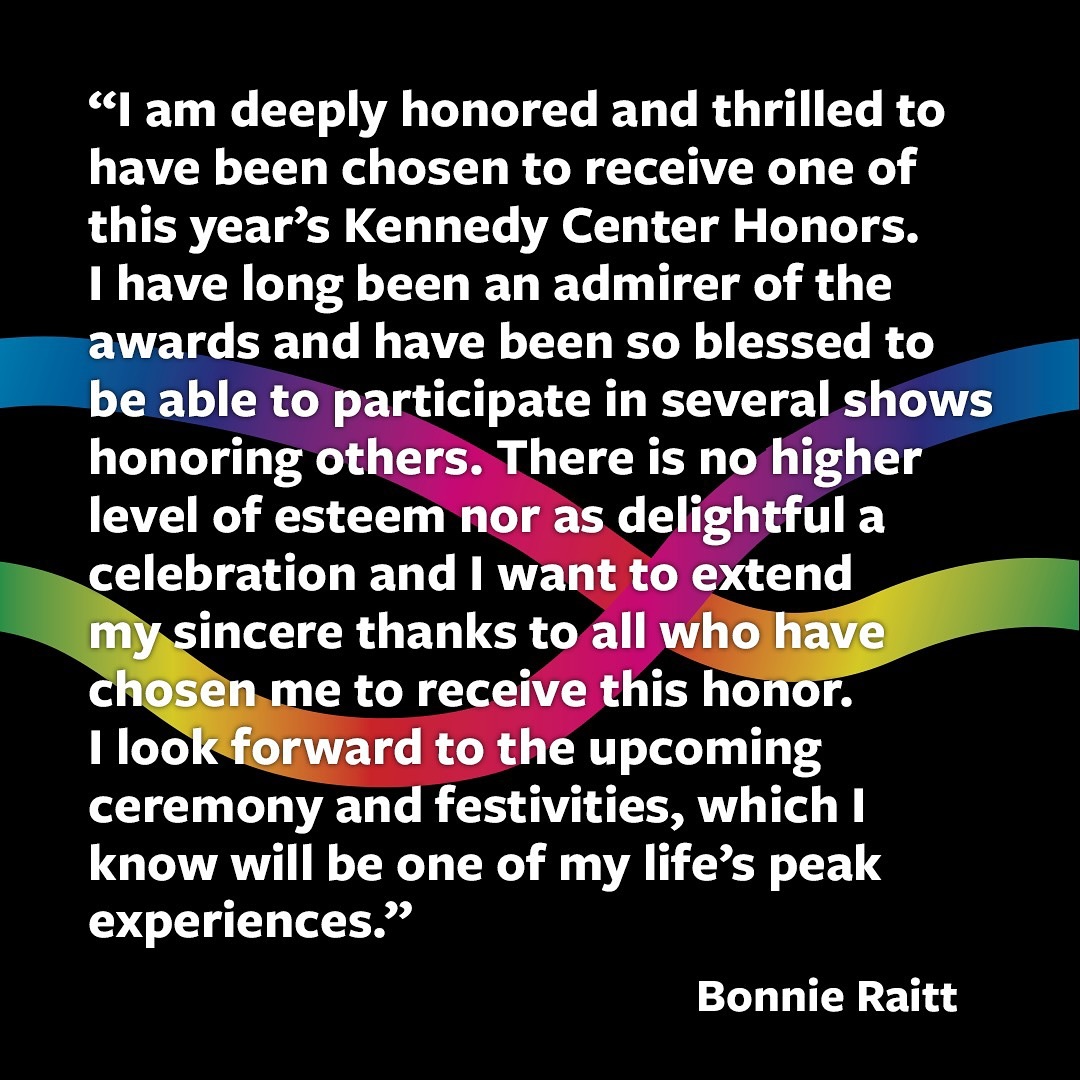
In 2024, she received a Kennedy Center Honor, further cementing her status as a cultural icon.

About The Author


Source: © Copyright Kahawa Tungu

But wait, there's more!

The classic album Bonnie Raitt refuses to repeat: “What I have to do”

on July 2, 2025 No comments
by Tim Coffman

Every great rock and roll song is about forward momentum half the time. It’s awfully good to have a song in the charts for the moment, but what separates the true legends from the aspiring artists is being able to keep that momentum going for a while, so everyone knows that you deserve to be at the top of the charts. But that’s also how the marketing team expects people to act, and Bonnie Raitt never exactly cared for the kind of records the label was interested in making.

Throughout her career, Raitt has made her living through interpreting the best songs she could and not caring what anyone else said. She was far from punk rock in that respect, but listening to her tunes, it’s far more interesting to see her follow her muse trying to be the best bluesy guitarist that anyone could have asked for rather than putting out tunes like ‘I Can’t Make You Love Me’ all over again.

Then again, those ballads seem to work for a damn good reason. The blues never catered to those kinds of drippy storytelling songs, but whenever they were in Raitt’s hands, she could often translate them into some of the greatest pieces of musical emotion that anyone had ever heard. And that only came from following in the footsteps of the blues legends like Skip James who came before her.

But for fans, it would always come back to albums like Give It Up, and Raitt knew better than giving in to what the public wanted all the time, saying, “People ask, ‘Why can’t you do another one like Give It Up?’ which they seem to like the most. If I do, that’s all it will be – a repeat! I think what I’m doing now is what I have to, make the styles from those older blues people into my own. It may not be a three-chord blues song; maybe you can’t classify it now.”

Fans might like when their music is put in neat little boxes, but Raitt not defining herself to one genre has been what’s made her tunes so exciting over the years. There’s often a bluesy character laced throughout her tunes, but there’s also a fair bit of R&B, a touch of folk music, and the odd adult contemporary track that finds its way onto the track listing. But if you listen to her voice, that’s where the blues comes in as well.

In fact, it’s a lot similar to the kind of approach that Tina Turner made in the 1980s. ‘The Queen of Rock and Roll’ may have been smothered in keyboards and 1980s textures when making some of her later hits like ‘Private Dancer’ and ‘You Better Be Good To Me’, but as soon as she opened her mouth to sing, there was no doubt that she turned every one of her tunes into rock and roll songs.

And it’s not like Raitt completely forgot how to strike that balance that Give It Up had. Many of her later projects, like Nick of Time, were perfectly eclectic for what they were, but it was a lot easier for her to work in different mediums rather than try to copy from the same playbook over and over again.

That kind of mentality is reserved for the artists who play it safe too often, but since none of the blues guitarists made their living copying someone else’s style, why should Raitt be the one to start? After all, the blues has always been about finding one’s own voice in the music, and even though she had an identifiable sound, she would rather stand by the records she was making than reminisce every time she went into the studio.

About The Author


Source: © Copyright Far Out Magazine

But wait, there's more!