Special to The Post and Courier
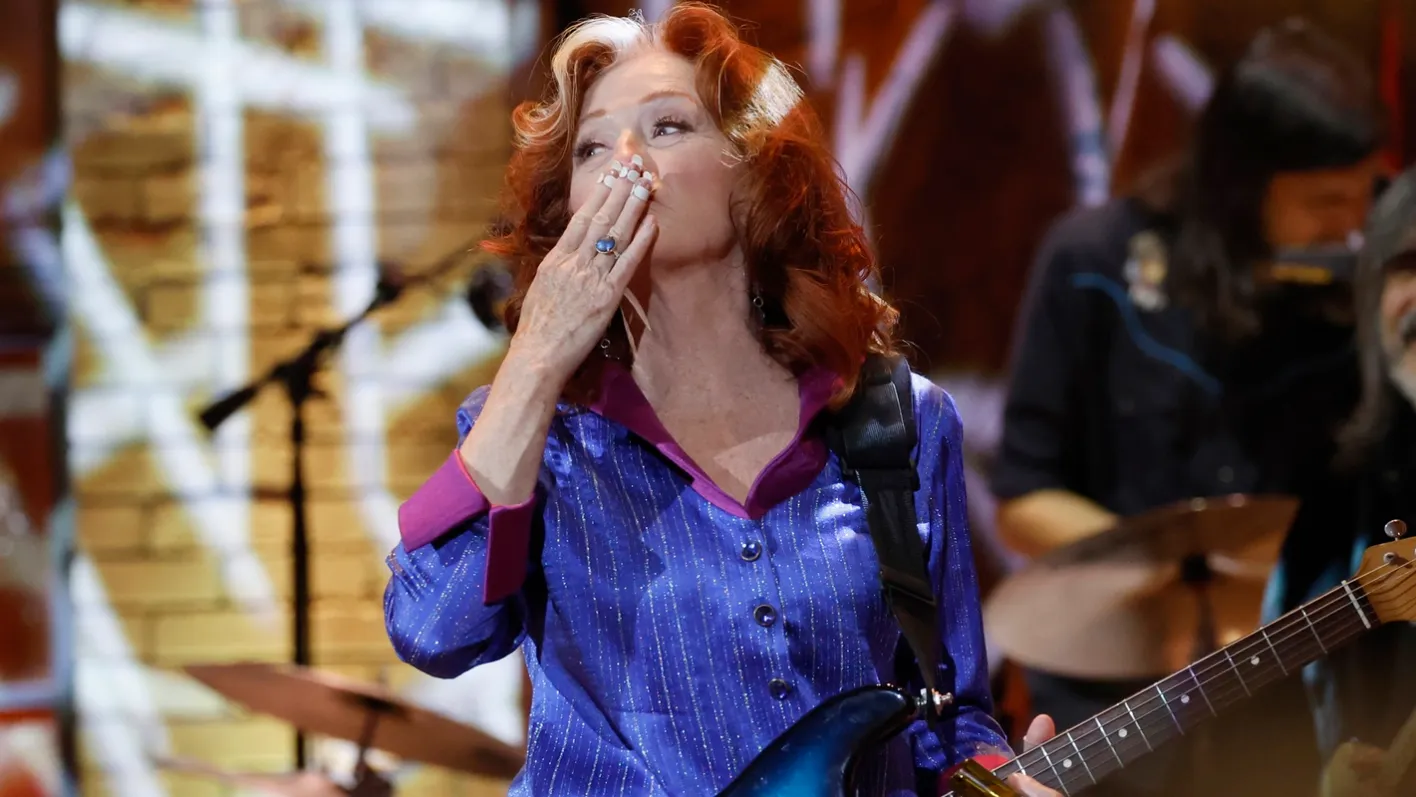
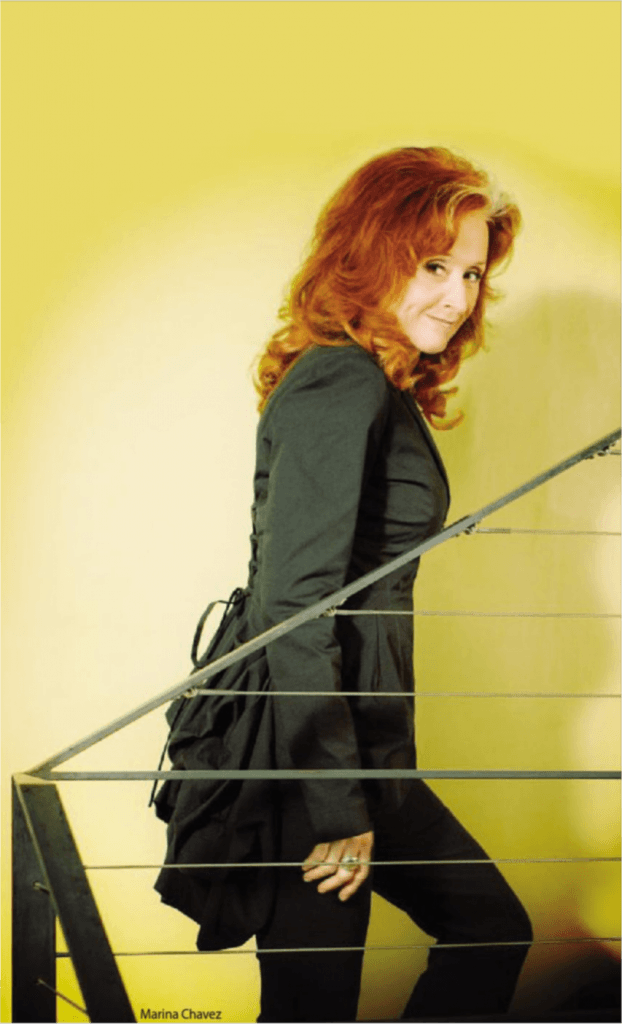 The instinct to help people is ingrained in Bonnie Raitt’s DNA, likely somewhere near the gene that gives her the ability to play a mean blues guitar and sing like a soulful angel.
Even before the release of her 1971 eponymous debut, Raitt’s career track was oriented toward service. A social relations and African studies major at Raddiffe College in Boston, Harvard’s sister school, Raitt began playing the slide guitar and singing the blues as an evening hobby.
Fortunately for her legions of fans, Raitt found herself in the right place at the right time.
With the backing of a local blues promoter whom she befriended, Raitt began sitting in with greats like Howlin’ Wolf, Mississippi Fred McDowell and Sippie Wallace, a female blues great. She soon put her dreams of a service career in Africa aside, following her musical muse instead.
Over the four decades since first establishing herself as a blues singer, Raitt has dedicated her life to music and activism, maintaining a strong voice in the antinuclear, environmental and human rights movements. In Charleston, she has worked closely with the Coastal Conservation League, raising as much as $80,000 through two performances in the 1990s to benefit the organization.
“She is a dedicated environmentalist and a generous and gracious person,” said Dana Beach, executive director of the Coastal Conservation League, citing Raitt’s work to provide support for elderly blues musicians. “It is hard to imagine anyone giving back more to the musical community and the environment than she has.”
From organizing concerts against nuclear power in the 1970s to fighting South African apartheid in the 1980s and her continued commitment to donate proceeds from every concert she performs to local charities in the region, Raitt has never lost sight of her ideals, leveraging her fame to help individuals and the planet at every step along the way.
‘Nick of Time’
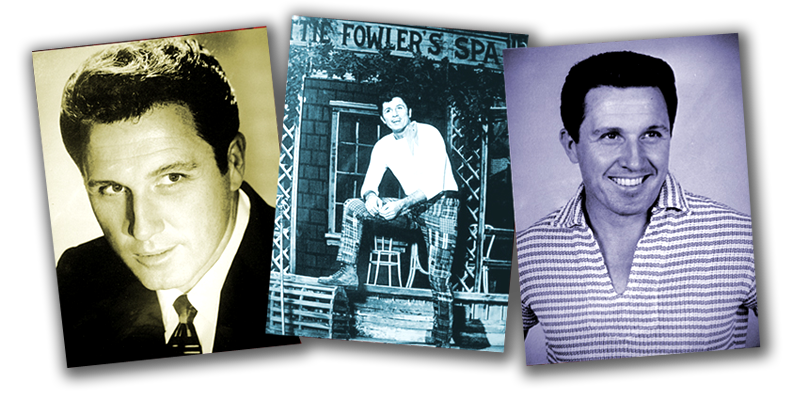
Now 63, Raitt, daughter of late Broadway musical star John Raitt, has cemented her legacy as one of the all-time greats in blues music. Rolling Stone includes her on both its lists of the top 100 singers and guitarists of all-time, thanks to her biting slide work on the guitar and her poignant lyrical delivery.
 Irish songwriter Danny Ellis first heard Raitt’s music in 1989, when she released the classic album “Nick of Time.”
“My wife and I met around that time, and that was our go-to album when we were courting,” recalls Ellis, who opens Raitt’s concert on Friday at the North Charleston Performing Arts Center. “Bonnie has an expression to her voice that really takes a lyric to a whole ‘nother place. When she sings a song, the lyrics go home to where the writer meant for them to go.”
Raitt’s ability to express herself and “get inside of a lyric when she sings” helped to inspire Ellis as he transformed himself from a pop and R&B songwriter into a singer writing personal songs with only a guitar to accompany him. In his own musical development, Ellis first emulated Dixieland jazz and the hit American bands of the ’70s, traveling with various groups around the European continent and to the United States.
It wasn’t until he settled in Asheville, N.C., that Ellis came to terms with his difficult childhood. At 8, his mother handed him and his four siblings over to the care of the state. He was raised in an orphanage that doubled as a correctional school until he was 16, exposing him to “thieves, tinkers, bullies and blackguards.”
In 2009, Ellis released “800 Voices,” a “devastatingly personal” album that traces his story growing up in the Irish orphanage. Ellis’ friend and fellow songwriter, David Wilcox, gave a copy of the disc to Nashville, Tenn., songwriter Beth Nielsen Chapman, who played it for Raitt during a vacation together in Malibu, Calif. Soon thereafter, Raitt reached out to Ellis in an email to let him know she was a fan and to invite him to her upcoming show in Asheville.
“I was over the moon. You can imagine how that would impact you,” recalls Ellis. “When my wife and I first met her and told her we had courted to ‘Nick of Time,’ she was genuinely bowled over and touched. She’s a really down-to-earth, straight-talking person.”
“Bonnie has an expression to her voice that really takes a lyric to a whole ‘nother place. When she sings a song, the lyrics go home to where the writer meant for them to go.”
– Danny Ellis
After booking this week’s date in Charleston, Raitt again reached out to Ellis, inviting him to perform. The timing worked out nicely; Ellis released his newest album, “Rest Yourself,” this month, blending his folk songwriting with the natural Celtic influence that permeates all of his work.
“When the Irish influence started to creep back into my music, it really felt like something was coming home,” said Ellis.








 Users Today : 303